Restoration
Honda Civic Type S - Making it Road Worthy Again.

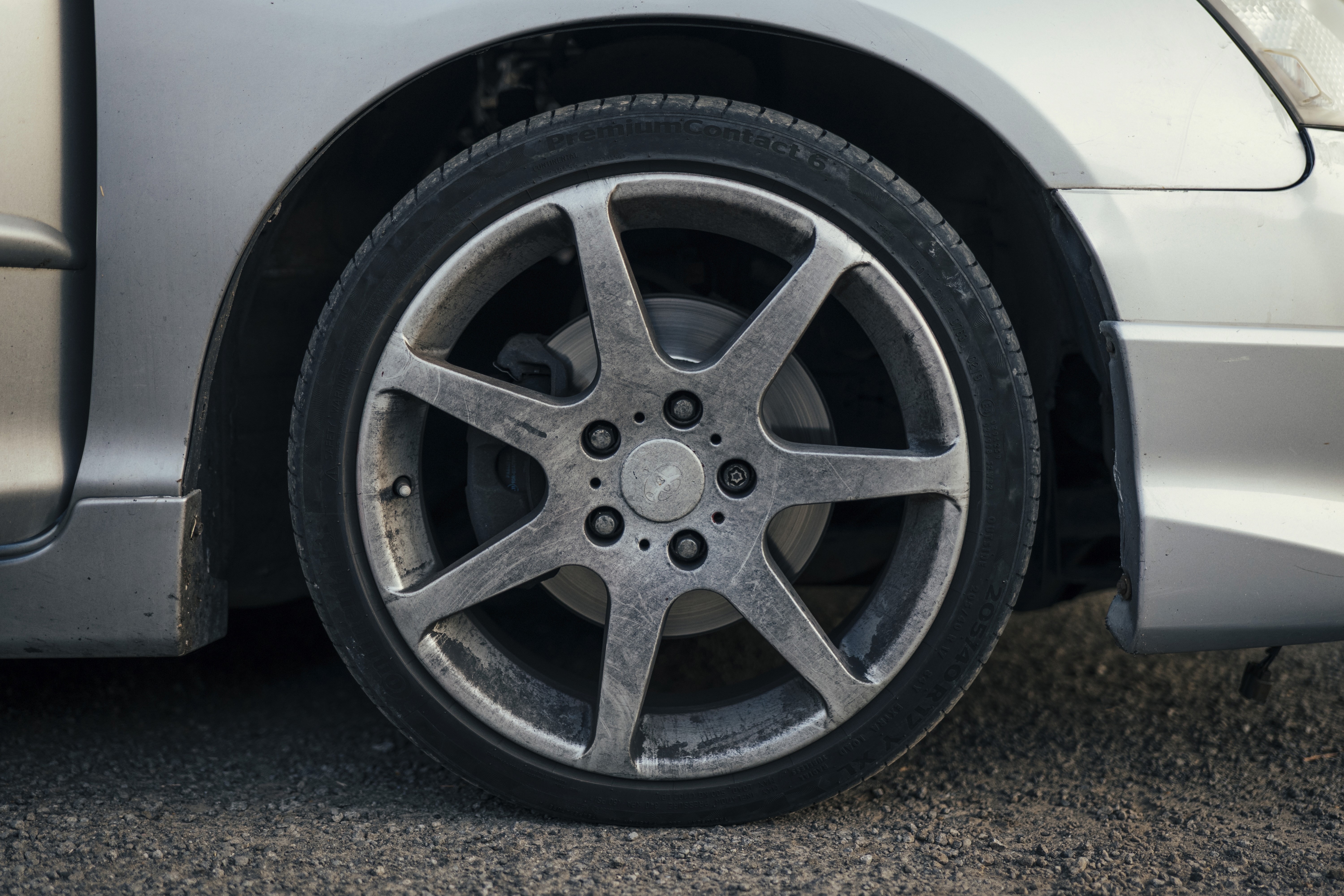
From the outside, it looks like a smart, sporty old Civic. The silver paint, Type S bodywork and aftermarket alloys give it plenty of character, and it's easy to look at the car and see the potential.
Every project car has a story.
Sometimes, you can see that story immediately. Other times, you have to start pulling things apart before the truth comes out.
Our Honda Civic Type S is firmly in the second category.
From the outside, it looks like a smart, sporty old Civic. The silver paint, Type S bodywork and aftermarket alloys give it plenty of character, and it's easy to look at the car and see the potential.
But the closer we looked, the more we found.
And that's where the SGM project really begins.
The first inspection
One of the first things we noticed was that the Civic had clearly been subject to some questionable repairs and improvisations over the years.
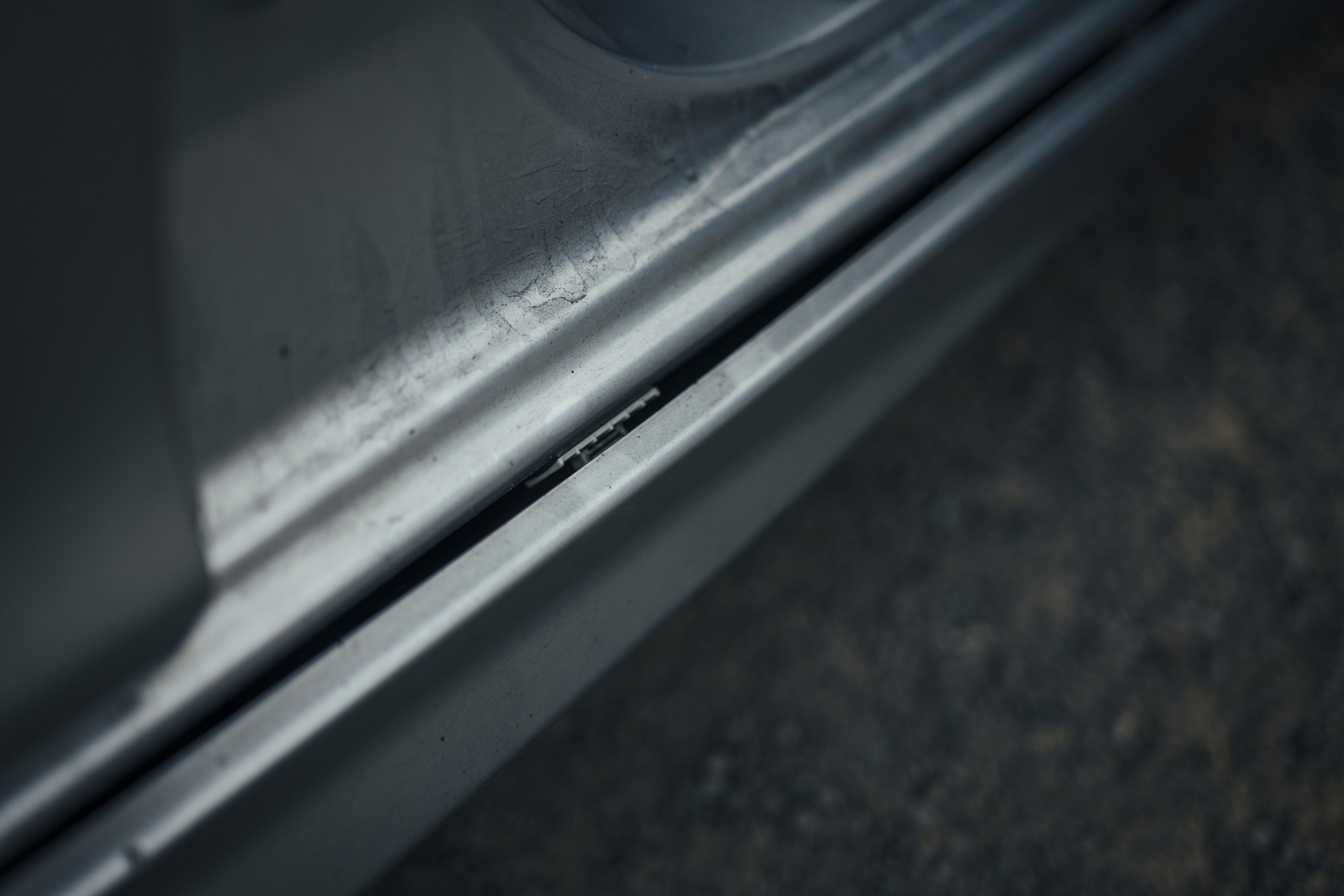
The Type S body kit, for example, isn't entirely secured as it should be. In places, cable ties have been used to hold sections of the bodywork in place.
It's functional, but it's not exactly how we'd like to see it.
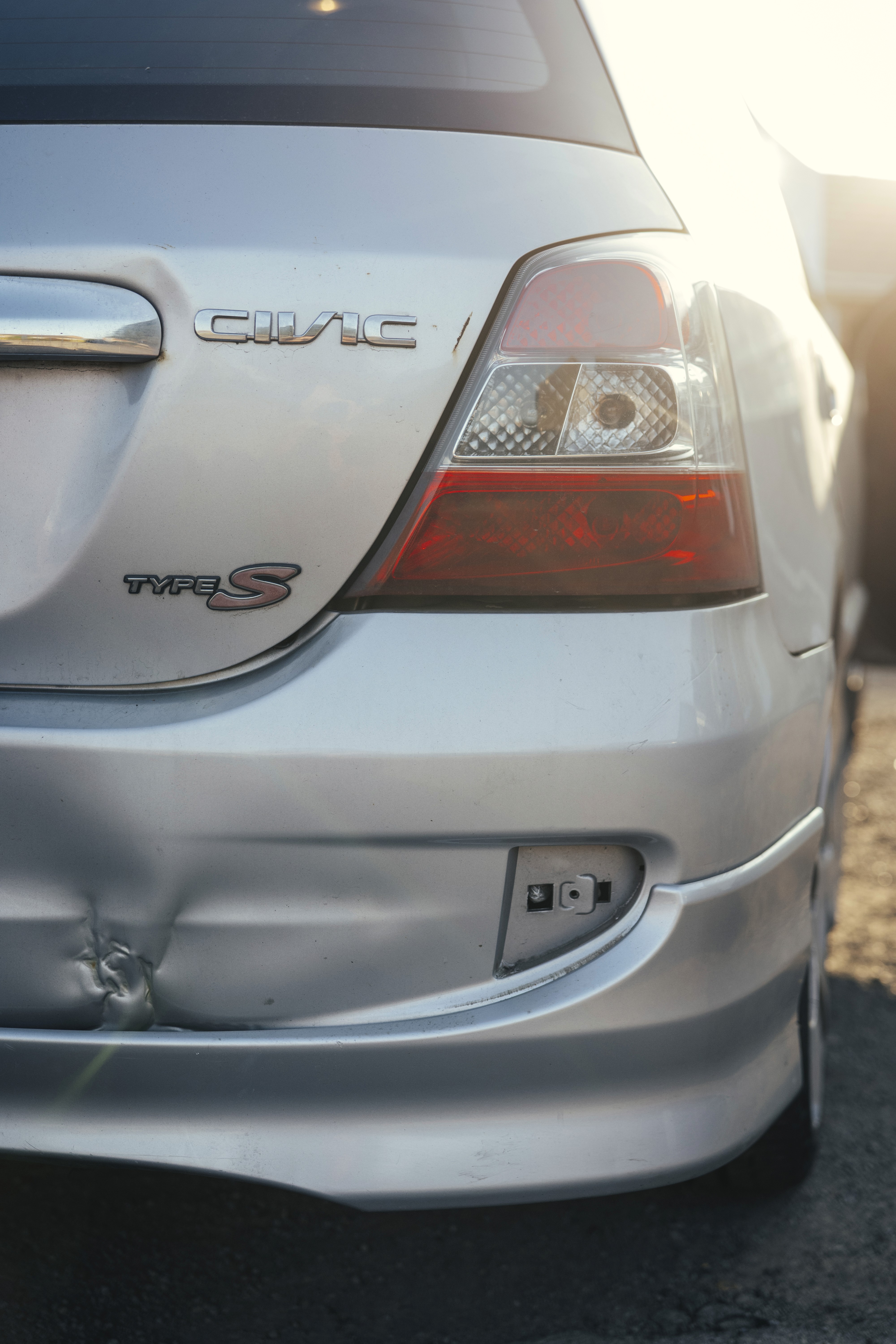
The rear bumper also has some significant damage
and the cause became obvious once we inspected the exhaust.
A very hot exhaust problem
The exhaust has been sitting too close to the rear bumper and has melted the plastic.
It's left a noticeable area of heat damage around the bumper, but that's not the only issue with the exhaust system.
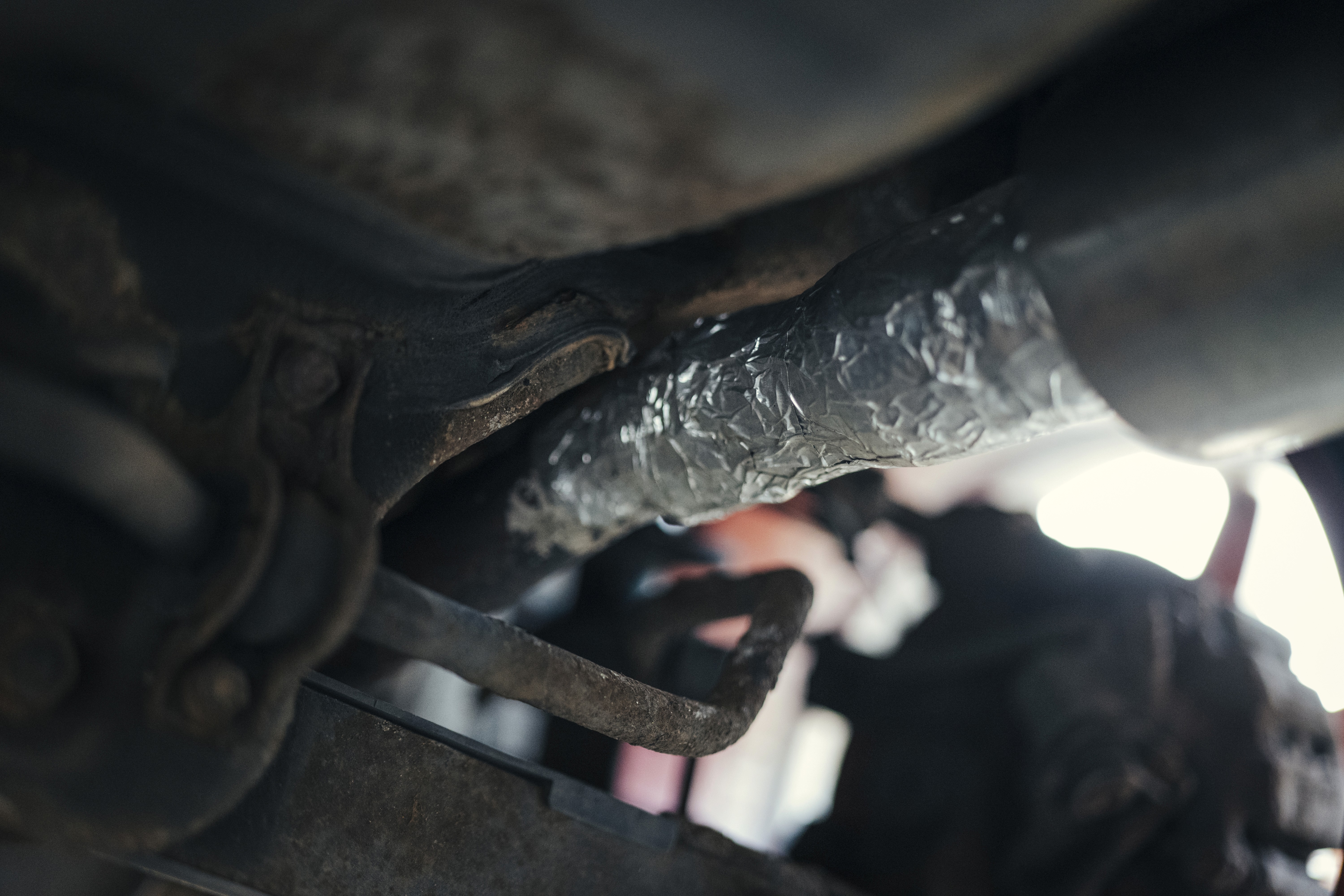
Looking underneath revealed an even bigger concern.
The exhaust has been bodged onto the mid-pipe using what appears to be tinfoil.
It's the sort of discovery that makes you stop and wonder what else you're going to find.
Whatever the previous repair was intended to achieve, it's not something we're prepared to leave on the car. The exhaust needs to be properly assessed and the connection replaced with a correct, secure solution.
The melted bumper will then need attention as part of the bodywork.
Finding the engine fault
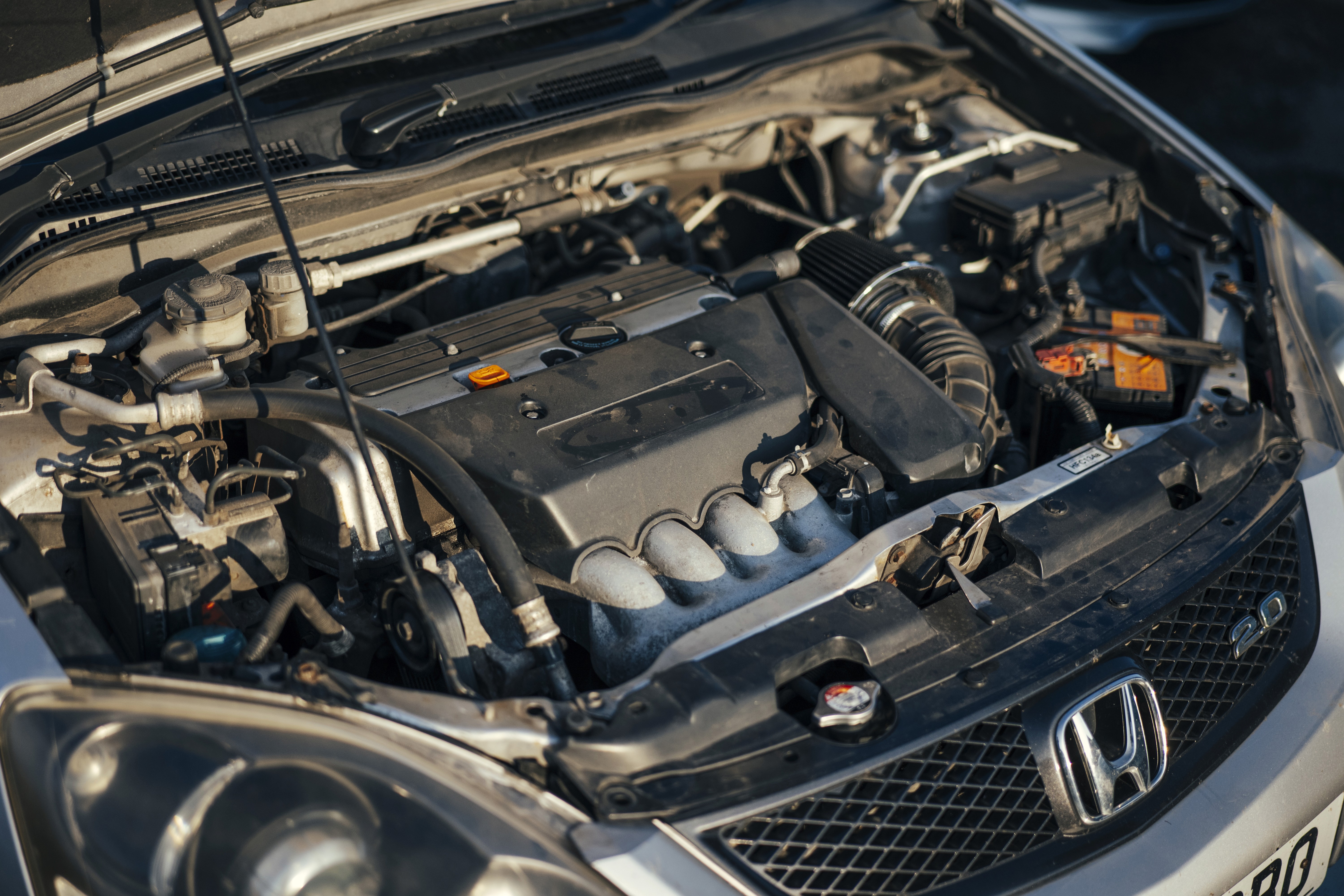
The Civic also arrived with the engine management light illuminated.
Rather than guessing at the cause, we connected an OBD diagnostic reader and scanned the car for fault codes.
The diagnostic scan identified a knock sensor fault.
That gives us a clear starting point for the EML rather than simply clearing the warning and hoping for the best.
The faulty knock sensor will be replaced as part of the project, after which the system can be checked again to confirm that the fault has been properly resolved.
It's a relatively small part of the overall project, but it's an important example of how we're approaching the car: diagnose the problem first, then fix it properly.
What's underneath?
The exhaust isn't the only thing that caught our attention underneath the Civic.
There is visible corrosion across various components and brackets, with some areas showing considerably more deterioration than others.
This is exactly why an older car needs more than a quick visual inspection.
Surface rust on a bracket might be nothing more than that.
A heavily corroded component may need replacing.
And something that looks fine from above can tell a completely different story when you get underneath it.
We're going to work through the underside systematically and establish exactly what needs attention rather than replacing things unnecessarily.

It needs a proper clean
Once the mechanical and repair work is underway, there's another job waiting for us:
Cleaning it. Properly.
The Civic needs a full decontamination inside and out.
The exterior has years of accumulated dirt and contamination that need to be removed before we can properly assess the paintwork. The interior needs the same treatment, with a thorough clean and decontamination to bring everything back to a proper baseline.
This isn't going to be a quick wash and vacuum.
The idea is to strip away the grime and accumulated dirt and find out what we're actually working with.
Only then can we decide what further cosmetic work the car needs.
Why save it?
The Civic Type S is an interesting car to have arrived at SGM.
It's old enough to have picked up years of wear, DIY repairs and neglect, but it's still a genuinely usable and characterful Honda.
Cars like this are becoming increasingly difficult to find in good condition.
We're not interested in pretending this one is perfect.
It isn't.
That's part of the appeal.
The goal is to take an honest, used Civic Type S and gradually put right the things that have been neglected or bodged over the years.
What's next?
There is plenty to do.
The exhaust needs to be properly repaired.
The melted rear bumper needs attention.
The faulty knock sensor needs replacing and the EML needs to be cleared and rechecked.
The Type S body kit needs to be properly secured.
The underside needs a thorough inspection and assessment.
And the entire car needs to be decontaminated inside and out.
That's before we even get into the smaller jobs.
So, this is where Project Civic begins.
It might have arrived with a few questionable solutions holding it together, but that's exactly what we're here to change.